GR40, One Year On: From Legal Standard to Implementation
December 18, 2025
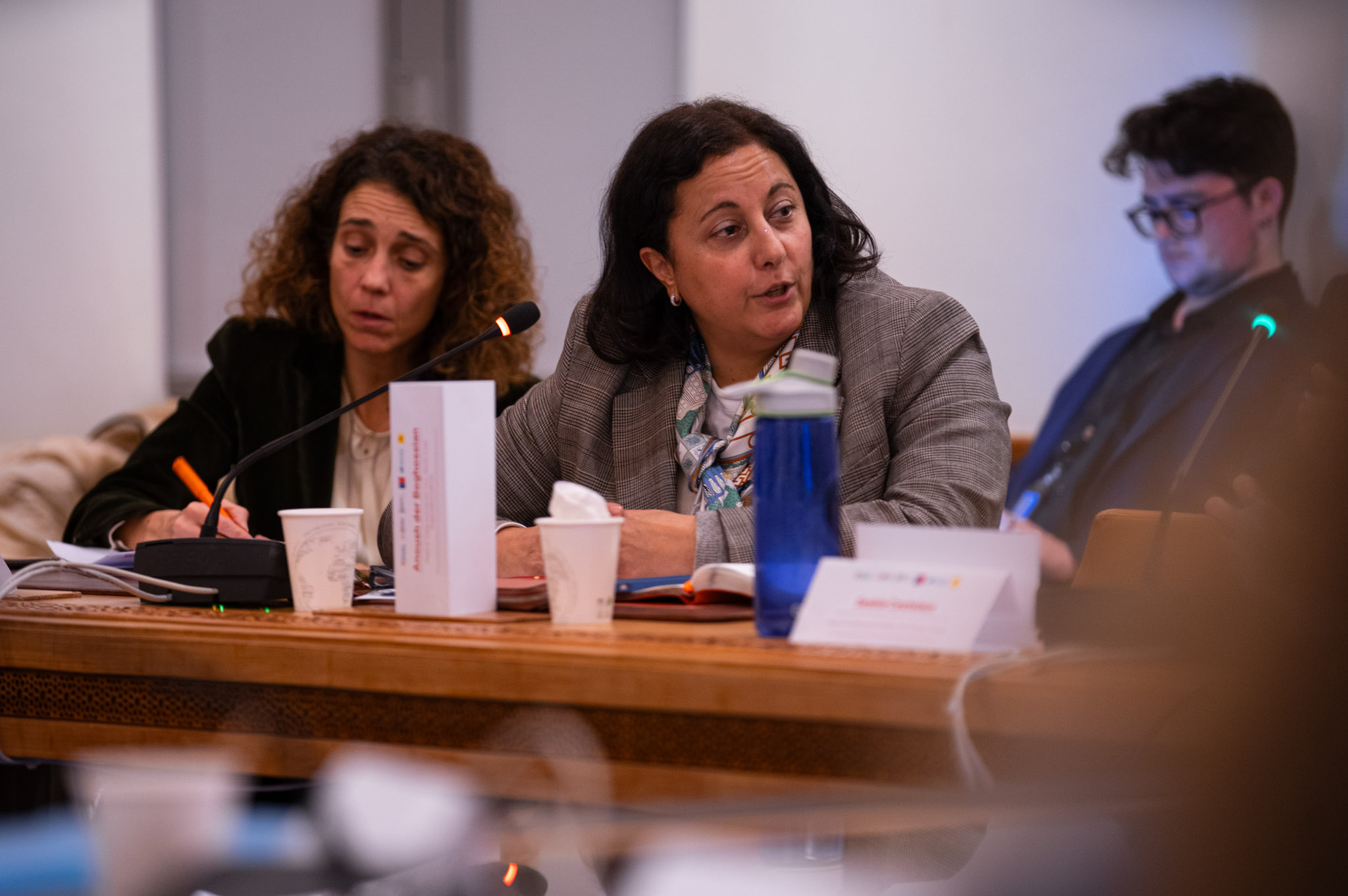
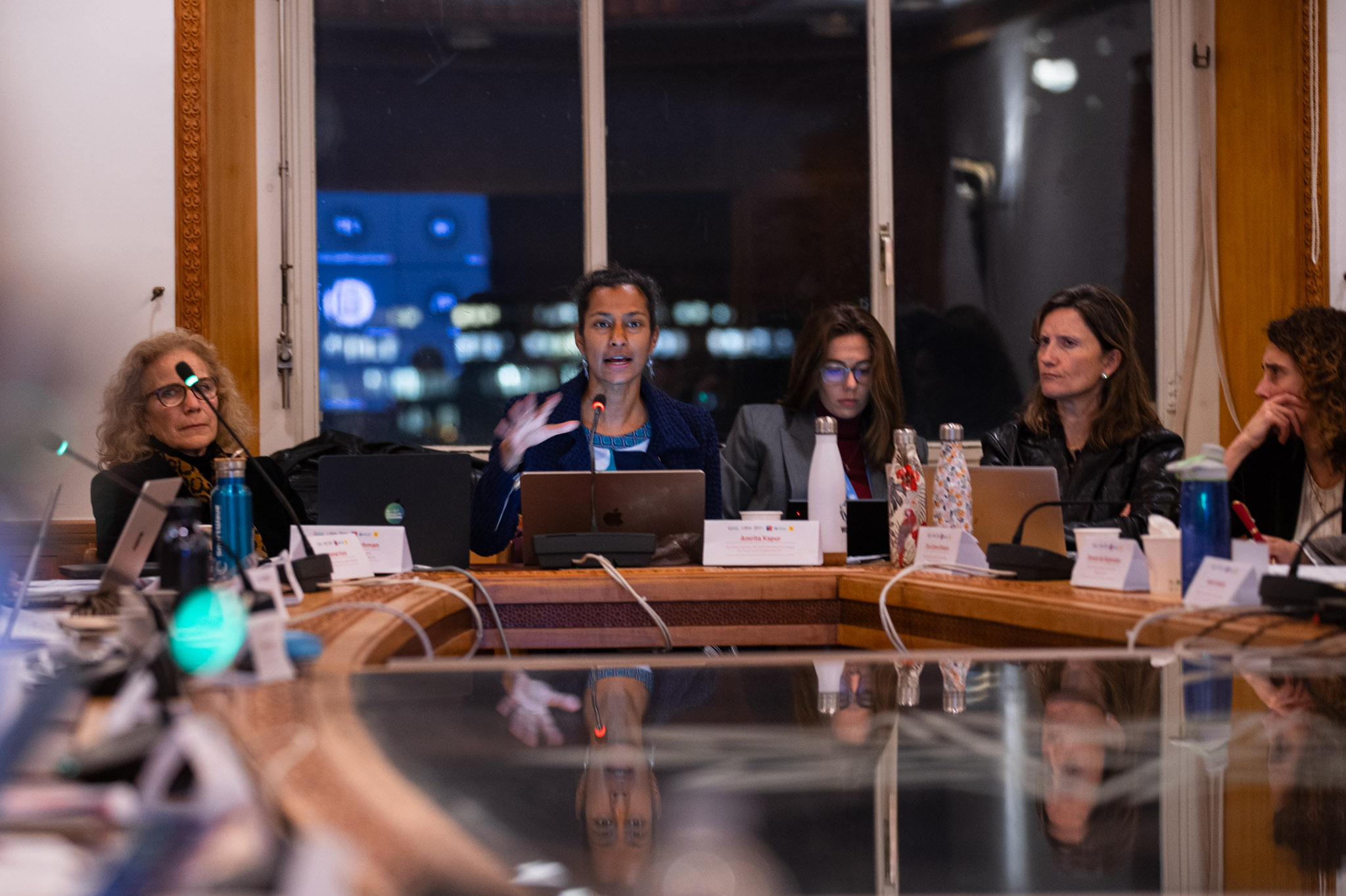
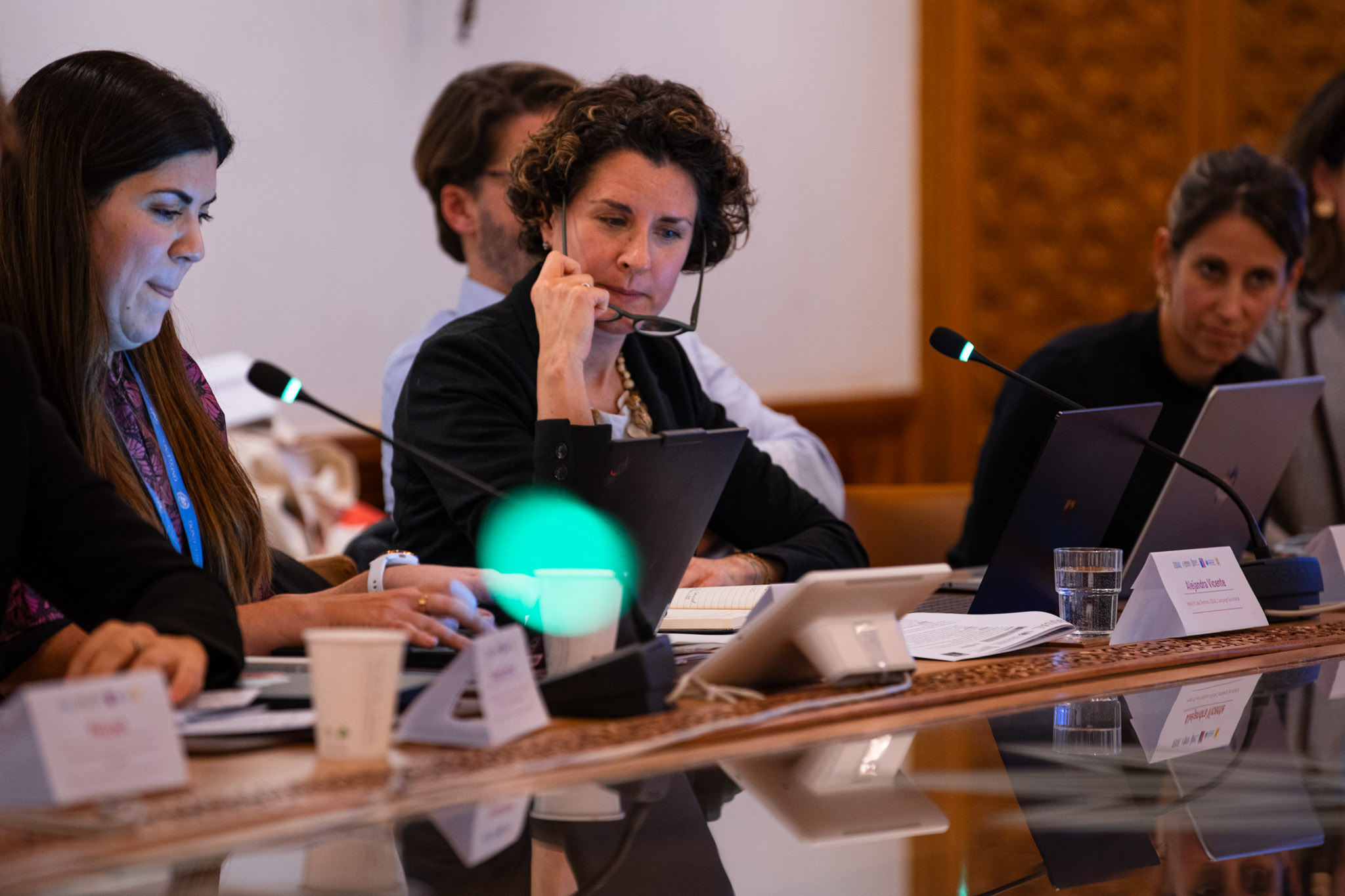
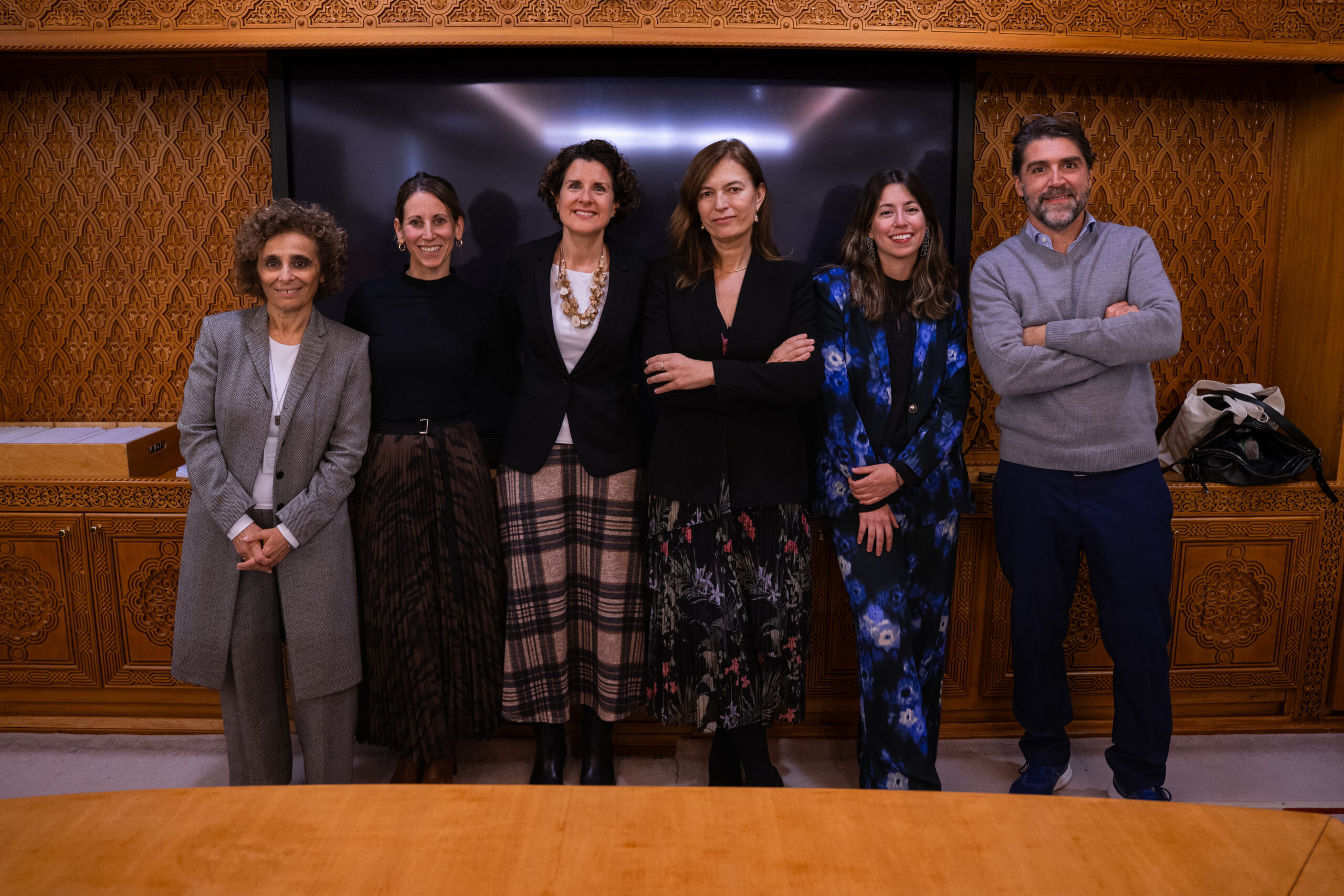
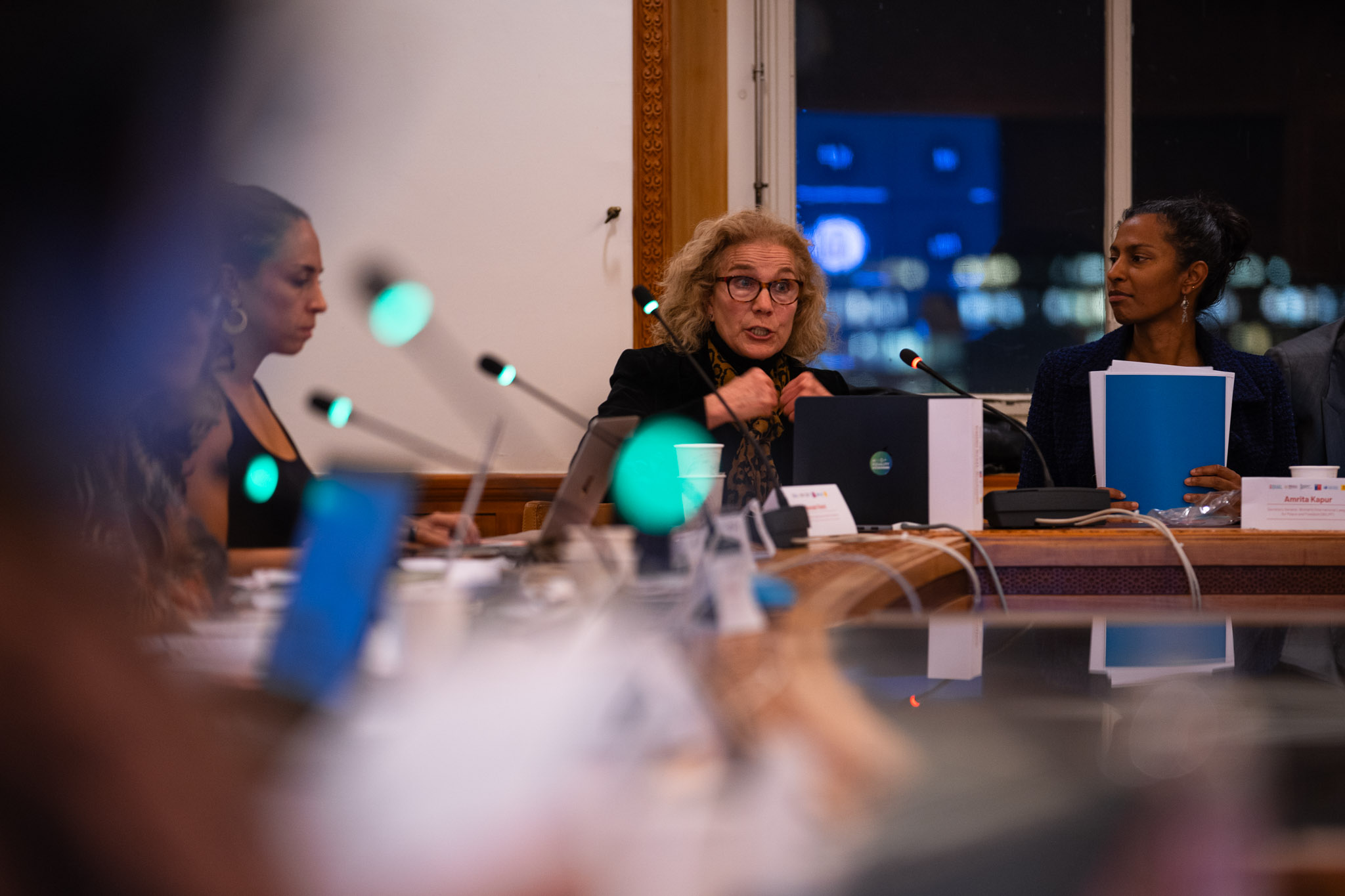
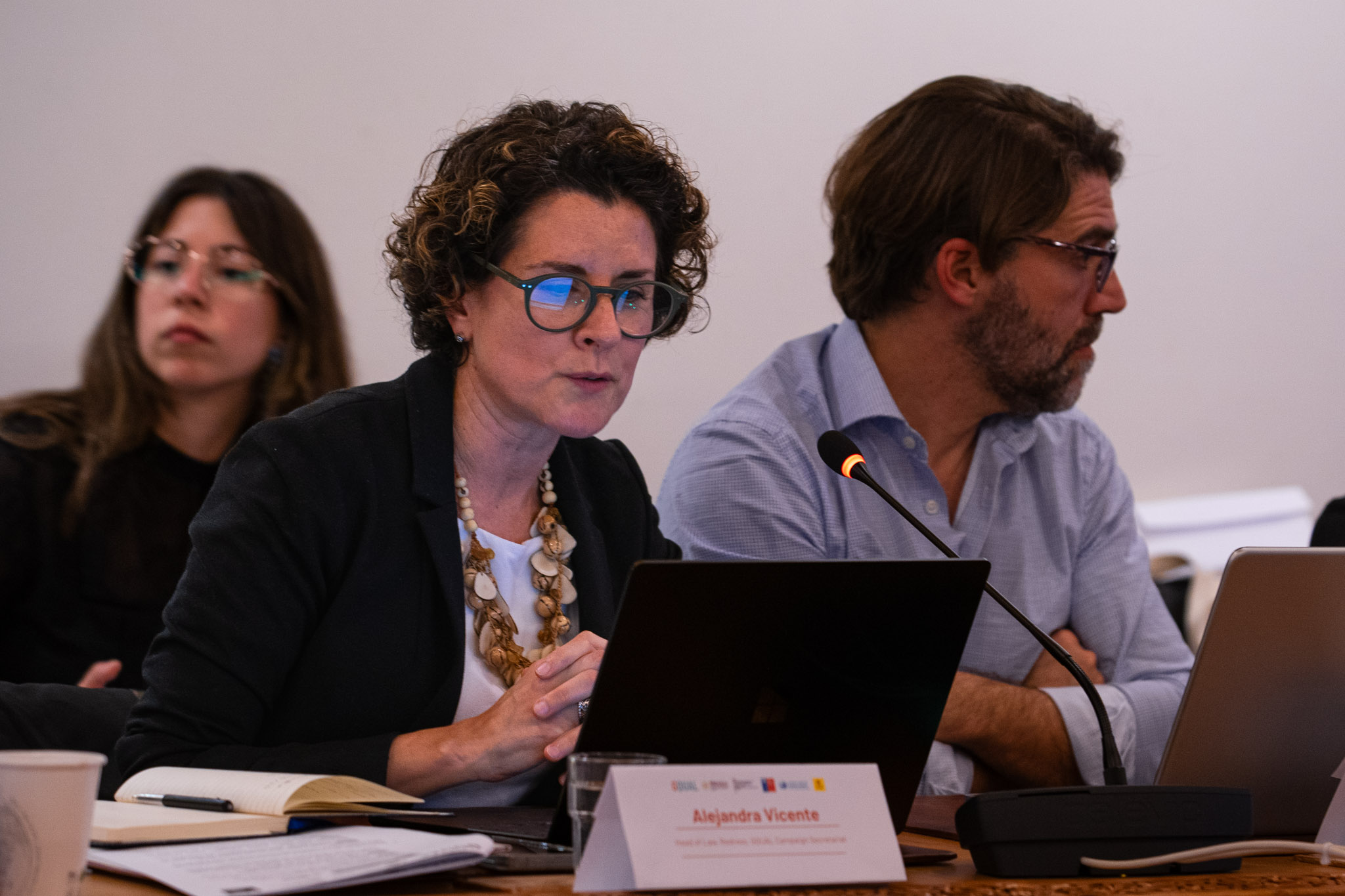
On December 8, GQUAL and the Office of the United Nations High Commissioner for Human Rights convened a strategy roundtable in Geneva to assess the first year of implementation of the CEDAW Committee’s General Recommendation No. 40, which establishes gender parity as a mandatory standard for equal and inclusive representation in decision making systems.
Co sponsored by Chile, Mexico, France and Spain, the meeting brought together States, United Nations mechanisms, members of the CEDAW Committee, experts, academics and civil society organizations. The discussion focused on taking stock of progress and challenges during GR40’s first year and on identifying concrete pathways for its effective implementation.
A central takeaway from the roundtable was the recognition that GR40 is already demonstrating its capacity to frame and mobilize meaningful reforms across different systems and regions. One year after its adoption, the recommendation is beginning to translate into practical tools that strengthen its implementation and operational impact.
Participants shared a range of concrete developments, including monitoring efforts led by the CEDAW Committee, National Guidelines for Implementation developed by OHCHR, the Model Law on Gender Parity promoted by the Inter American Commission of Women, and the Gender Parity Roadmap developed by the OSCE Office for Democratic Institutions and Human Rights.
From this perspective, GQUAL has contributed to advancing GR40 through work that spans the promotion of innovative judicial decisions across the Americas, strategic advocacy with organizations such as She Changes Climate to advance parity in environmental governance, and collaboration with the 1 for 8 Billion campaign on global leadership selection processes, including the critical appointment of the next United Nations Secretary General.
Against a backdrop of intensifying backlash against women’s rights and gender equality, GR40 was widely identified as a key legal and political tool to protect women’s participation, reinforce institutional legitimacy and contain regression within multilateral spaces.
Participants also underscored the need to accelerate the effective implementation of GR40 by integrating parity criteria into appointments, nominations and delegations and by extending its application to foreign policy, peace and security agendas and other core areas of global governance.
The urgency of this agenda becomes even clearer looking ahead to 2026, when nearly half of the international positions monitored by GQUAL will be renewed, including posts within central institutions of international justice and global governance. In particular, the selection of the next United Nations Secretary General is expected to serve as a decisive test of the international community’s commitment to equality, transparency and the legitimacy of multilateral leadership.

SHARE ON


